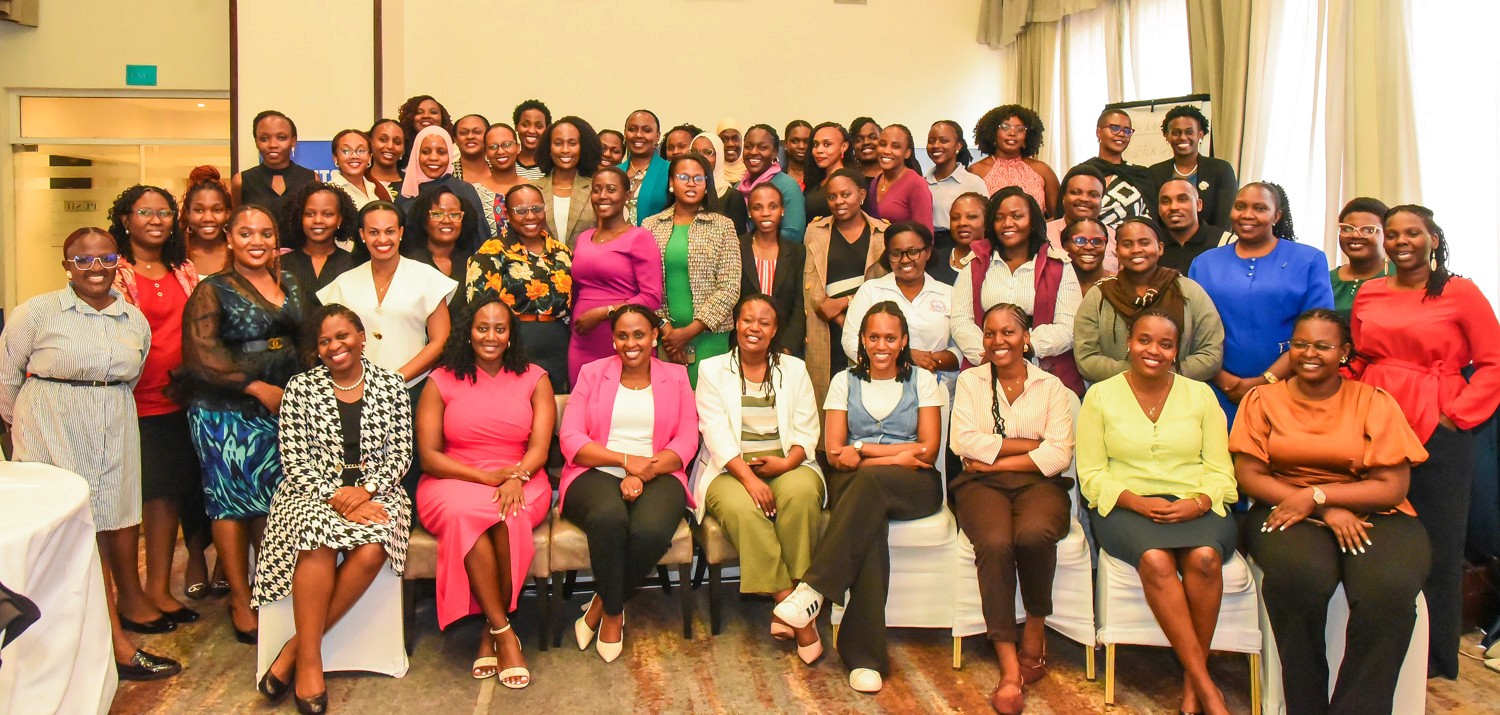
The Financial Technology Service Providers’ Association (FITSPA), in partnership with the United Nations Capital Development Fund (UNCDF), convened a FinWise & FinTalks session in Kampala, bringing together key stakeholders from Uganda’s digital financial services ecosystem to advance dialogue on inclusive and responsible digital finance for women. Held at Golden Tulip Hotel in commemoration of International Women’s Day 2026, the event was guided by the theme “Digital Finance that Works for Women: Driving Access, Trust, and Responsible Innovation for Women’s Financial Well-Being.”
The convening came at a time when Uganda’s digital financial sector continues to expand rapidly, with over 43 million registered mobile money accounts, reflecting significant progress in access to financial services. However, discussions throughout the session emphasized that access alone does not equate to meaningful financial inclusion. As Damali Ssali noted in her keynote remarks, “Is the digital finance system truly designed to support women and girls?” She emphasized that while many women are adapting to digital financial systems, adaptation without trust, usability, and relevance does not translate into real empowerment. Concerns around hidden charges, unclear pricing, and aggressive recovery practices continue to limit confidence among women users, highlighting the urgent need to build trust as a foundation for sustainable digital finance.
Opening the session, Leah Ndikuwera framed the discussion around the need for intentional and inclusive innovation, drawing from the 10X Program, implemented by Outbox Uganda in partnership with UNCDF, Refactory Academy, and Women in Technology Uganda, with support from the Mastercard Foundation. The program aims to reach 250,000 young women over seven years, including refugees and persons with disabilities, with 125,000 expected to access work opportunities. She emphasized that such initiatives are critical in bridging opportunity gaps by equipping young women with digital skills and connecting them to markets and financing. Leah called on fintech innovators to go beyond access and design solutions that reflect real user behavior, noting that “financial inclusion must be built around the lived realities of users, including income volatility, informal business structures, and competing household responsibilities.” She further stressed that consumer protection should be treated as core infrastructure, not an afterthought.
Across the discussions, a strong case emerged for embedding gender-responsive approaches into digital financial services. Hazel Twesigye, speaking on behalf of the FITSPA Women Committee, emphasized that women must be positioned not only as users of financial services but as architects of the ecosystem. She highlighted that although Uganda’s financial inclusion rate stands at approximately 81%, driven largely by mobile money, gaps remain in translating access into meaningful economic empowerment. “When women help shape systems, those systems become more inclusive and more efficient,” she noted, calling for greater representation of women in product design, leadership, and governance.
The event also explored the growing role of digital credit in supporting women entrepreneurs, particularly within informal and micro-enterprise sectors. Panel discussions moderated by Rowena Turinawe revealed that while digital credit has become one of the fastest-growing sources of financing for micro-businesses, women’s engagement with these services is shaped by trust, affordability, and flexibility. Many women prefer smaller loans with manageable repayment structures and demonstrate strong repayment discipline, often influenced by social accountability within community networks. However, limitations in traditional and alternative credit scoring models continue to exclude many women who lack formal financial histories, reinforcing the need for more inclusive and context-aware approaches.
Panelists including Brenda Nambalirwa, Anthea Paelo, and Shakila Kerre emphasized that responsible digital lending must remain central to the sector’s growth. They highlighted the importance of transparent pricing, ethical collections, and safeguarding customers from over-indebtedness, particularly in a fast-growing market where investor pressure can sometimes prioritize scale over sustainability. The Industry Code of Conduct for Responsible Digital Lending, led by FITSPA in collaboration with UNCDF, was recognized as a key step in promoting accountability, strengthening consumer protection, and building trust across the ecosystem.
Practical insights were further reinforced through fintech spotlights, where providers shared real-world examples of impact. 4G Capital highlighted that 58% of its clients are women, combining access to credit with financial literacy and business training to strengthen enterprise sustainability. Similarly, Fido shared that over 30% of its borrowers are women, many of whom operate in markets such as Nakawa, Kalerwe, and Nakasero, using digital credit to stock businesses, pay school fees, and manage household expenses. Notably, 23.7% of Fido’s female customers have taken more than five loans, demonstrating sustained engagement and the role of digital credit in supporting business continuity.
The FinWise & FinTalks session also underscored the importance of ecosystem collaboration in shaping inclusive digital finance. By convening regulators, fintechs, financial institutions, and development partners, the event created a platform for peer learning, alignment on responsible practices, and continued dialogue on policy and regulatory frameworks. As part of the broader FinWise initiative, these engagements aim to strengthen coordination and promote better practices across Uganda’s digital lending landscape.
In closing, George Wilson Ssenkande emphasized the need for a balanced perspective on digital credit, noting that while concerns around pricing are valid, digital lending continues to play a critical role in expanding access to finance, particularly where traditional banking systems fall short. Echoing a key insight from the discussions, he remarked, “Let us not throw out the baby with the bathwater,” highlighting the importance of improving, rather than dismissing, digital credit systems.
As Uganda’s digital financial ecosystem continues to evolve, the message from the convening was clear: financial inclusion must move beyond access to focus on trust, usability, and long-term impact. FITSPA and UNCDF reaffirmed their commitment to advancing responsible digital lending, promoting gender-inclusive innovation, and building a financial system that is not only accessible, but truly works for women.