Back to articles
World Fintech Day 2026 Calls for Stronger Infrastructure, Interoperability and Trust to Power Uganda's Next Decade of Digital Finance


Kampala, Uganda | Monday 3rd August 2026
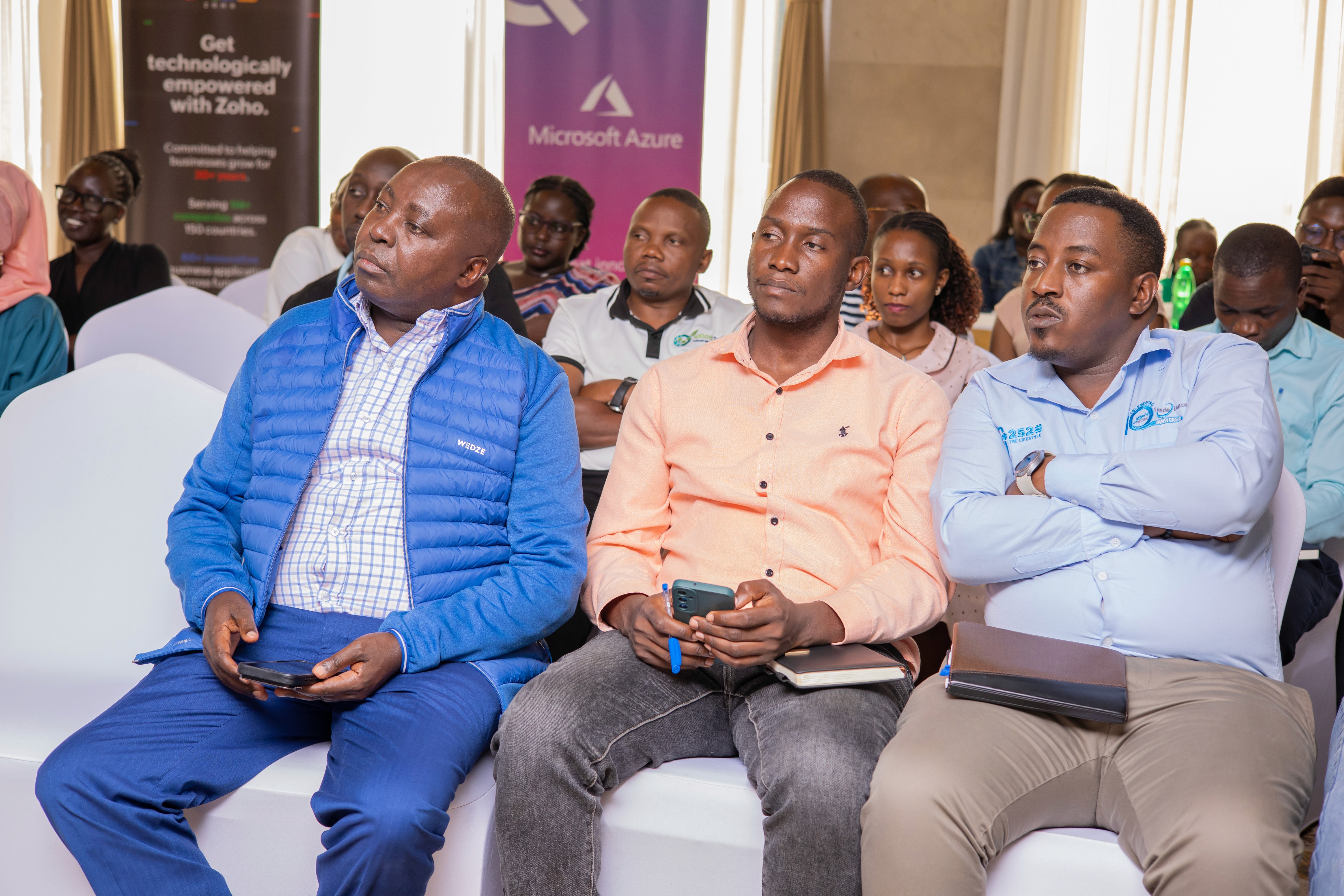
Uganda's fintech ecosystem convened at Sheraton Kampala Hotel for the World Fintech Day 2026 Fireside Chat & Networking Cocktail, where industry leaders, policymakers, regulators, financial institutions, fintechs, mobile network operators, technology companies, development partners, investors, and academia called for stronger digital infrastructure, greater interoperability, and increased trust to support the country's next decade of digital finance.
Organised by the Financial Technology Service Providers Association of Uganda (FITSPA) under the theme, "The Next Decade of Fintech: Infrastructure, Interoperability, and Trust for Inclusive Growth," the event shifted the conversation from the rapid growth of fintech over the last decade to the digital foundations required to sustain future innovation and inclusive economic growth.
Building on a Decade of Progress
Uganda's fintech sector has experienced remarkable growth over the past decade, transforming the way individuals and businesses access financial services.
In the year ending June 2025, Uganda recorded 5.4 billion e-money transactions valued at UGX 319.6 trillion, supported by 34.6 million active e-money accounts, 1,016,914 agents, and 54 licensed payment service providers. These milestones demonstrate the growing role of digital finance in Uganda's economy and its contribution to financial inclusion, commerce, and service delivery.
Today, digital finance supports far more than payments. It underpins activities across agriculture, healthcare, education, trade, transport, e-commerce, and government service delivery, making digital infrastructure an increasingly important national asset.
Against this backdrop, stakeholders gathered to explore what must happen next to ensure Uganda's fintech ecosystem continues to innovate, connect, and scale.
Opening Remarks
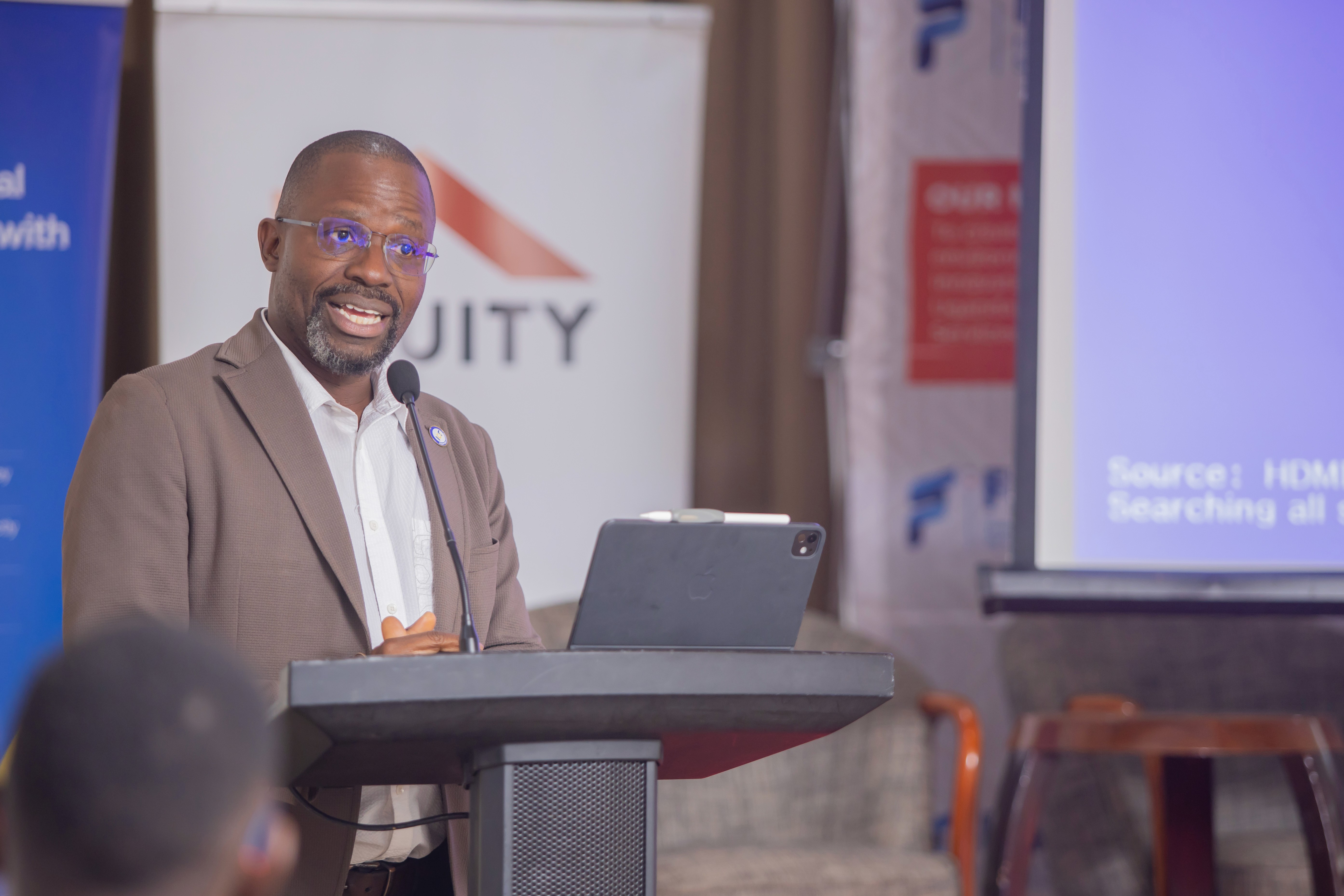
Opening the event, FITSPA Director Herbert Olowo welcomed participants from government, regulatory institutions, development partners, financial institutions, fintech companies, mobile network operators, technology providers, investors, and academia.
He noted that while World Fintech Day provides an opportunity to celebrate the achievements of financial technology, it is equally an opportunity to reflect on the work that still lies ahead.
Director Olowo observed that fintech has fundamentally changed how people access financial services and participate in the digital economy. However, he emphasized that the next phase of growth will no longer be measured solely by the number of digital products entering the market, but by the strength of the infrastructure that enables those products to communicate, operate securely, and scale effectively.
He highlighted four areas that will define Uganda's next chapter of digital finance:
Strong digital infrastructure
Greater interoperability
Intelligent systems powered by emerging technologies
Trust through cybersecurity, consumer protection, operational resilience, and effective regulation
He emphasized that no single institution can build the future of digital finance alone and called for stronger collaboration among government, regulators, financial institutions, fintechs, technology providers, development partners, and investors.
Ongoing Research Studies; Evidence to Guide the Sector
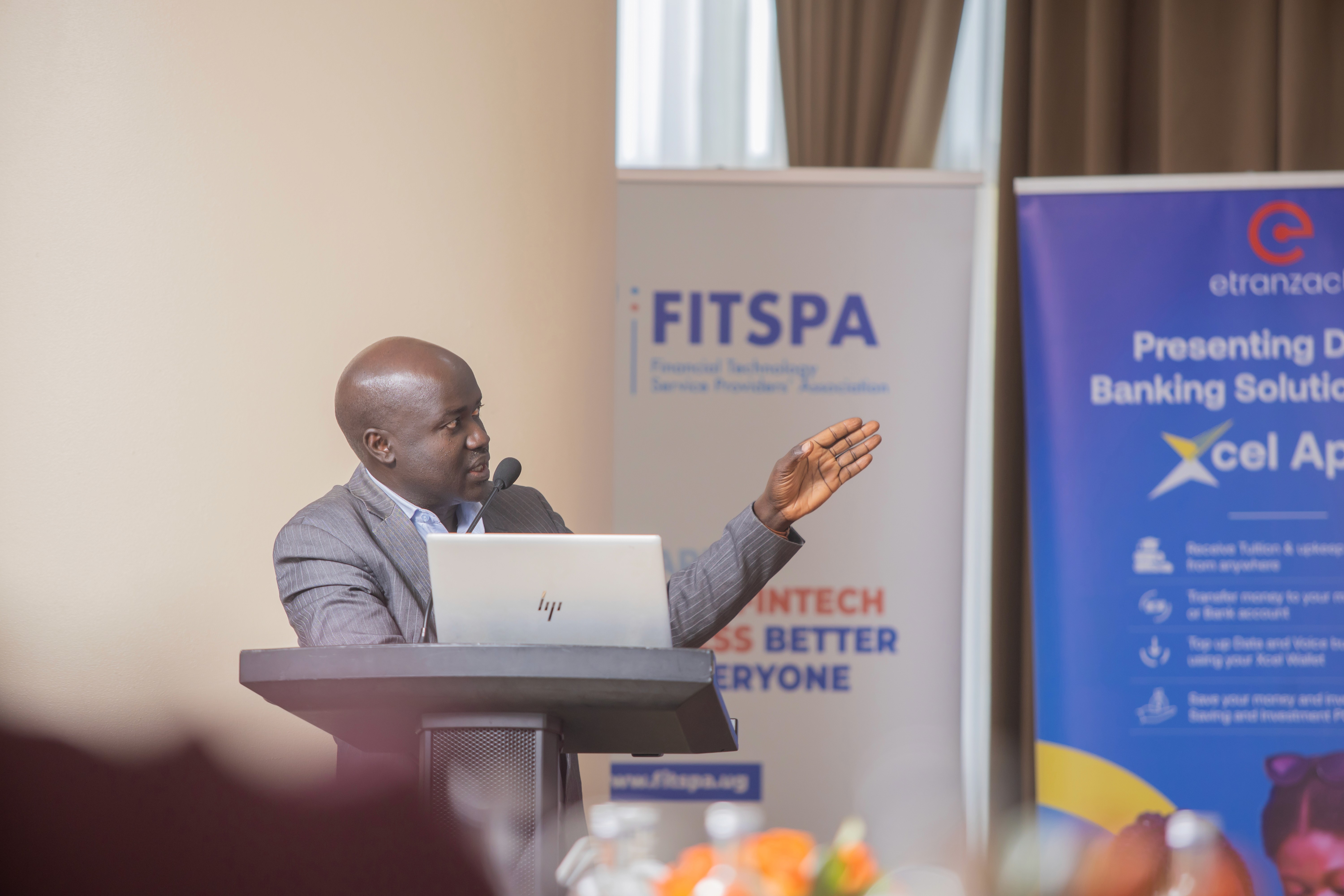
The event featured the presentation of the preliminary findings from the State of Uganda's Fintech Industry Study 2026 and the Regulatory Ecosystem Audit for Uganda's Fintech Sector, two complementary studies commissioned by FITSPA to strengthen evidence, inform policy, and guide strategic action for Uganda's digital finance ecosystem.
Presented by Prof. Jimmy Ebong, the studies provide an updated assessment of the fintech industry's structure, performance, partnerships, investment trends, technology adoption, and regulatory landscape.
Among the preliminary findings presented were:
Payments remain the anchor of Uganda's fintech ecosystem, with digital credit emerging as the second-largest segment.
Partnerships and founders' retained earnings continue to drive sector growth.
A shortage of multidisciplinary talent remains one of the biggest constraints to scaling fintech businesses.
Greater adoption of emerging technologies and increased participation of women will strengthen future industry growth.
The Regulatory Ecosystem Audit found that Uganda's fintech regulatory framework has matured significantly, particularly following the National Payment Systems Act and supporting regulations.
However, fintechs continue to face challenges relating to multiple regulatory mandates, overlapping compliance requirements, licensing experiences, and coordination across regulators.
The study identified opportunities to strengthen inter-agency collaboration, deepen partnerships between regulators and industry, and develop guidance around artificial intelligence and other emerging technologies.
Building the Infrastructure for the Next Decade
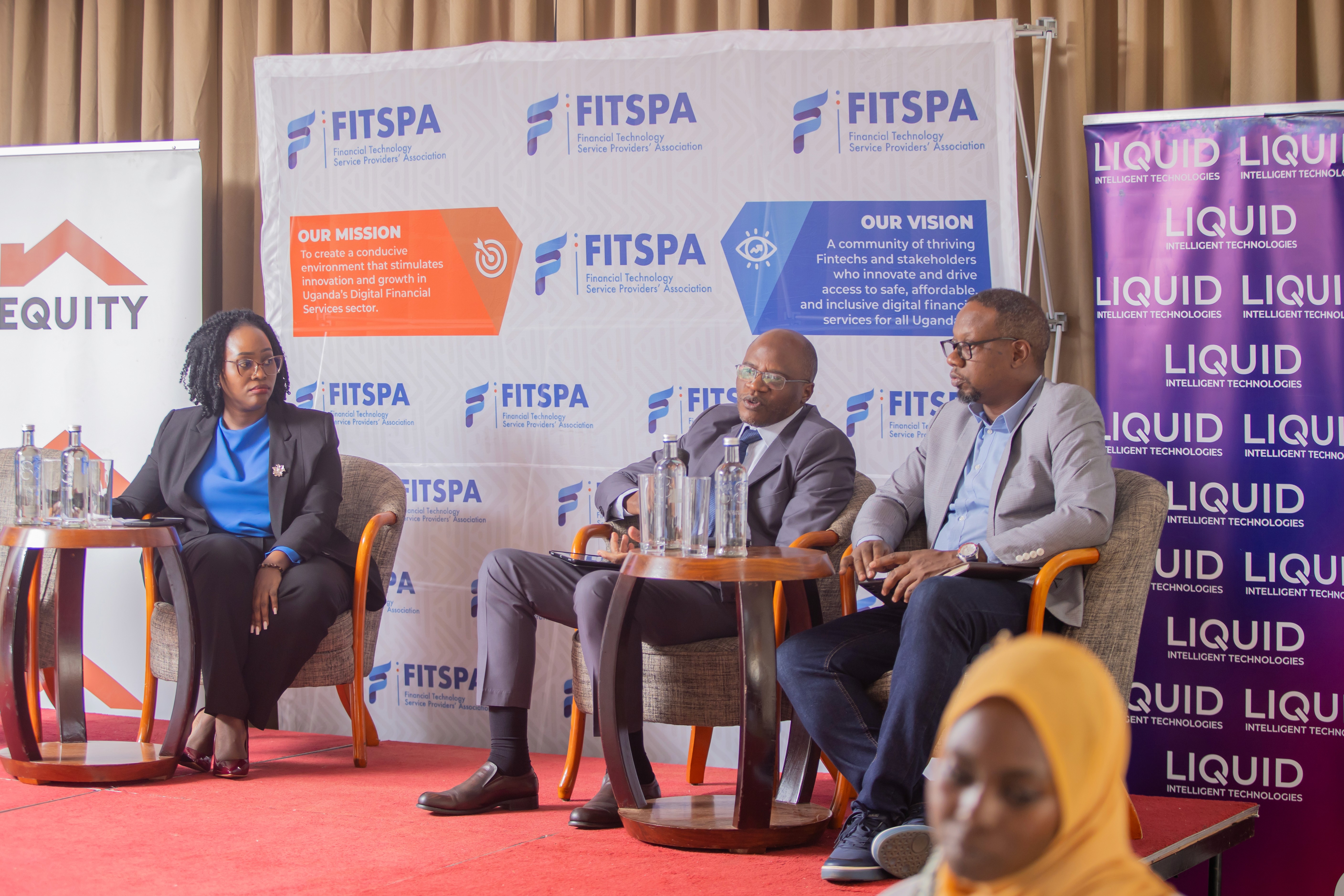
The first panel discussion examined the infrastructure required to support the next generation of digital finance.
Moderated by Allen Najjuuko, Sector Head – Telcos & Fintechs at Equity Bank Uganda, the discussion featured Richard Jabel, Chief Executive Officer of Agent Banking Company, and Michael Mukasa, Chief Executive Officer of Liquid Intelligent Technologies Uganda.
Richard Jabel shared lessons from Agent Banking Company's experience in building shared financial infrastructure, noting that the platform currently connects 19 financial institutions through more than 22,000 agents nationwide.
He emphasized that shared infrastructure has already demonstrated its value by reducing duplication, expanding access, and enabling collaboration among competing institutions. However, he noted that widespread adoption still depends on addressing challenges around governance, incentives, trust, digital identity, customer identification, and institutional digital maturity.
He also stressed that successful interoperability requires commercial models that deliver value to every participant in the ecosystem, including infrastructure providers, financial institutions, agents, and customers.
Michael Mukasa discussed the economics of digital infrastructure, encouraging fintechs to carefully evaluate whether to build proprietary infrastructure or leverage shared platforms that enable faster scaling.
He observed that connectivity and cloud services remain relatively expensive compared to many African markets, making shared infrastructure increasingly important for reducing costs and supporting innovation.
The discussion also explored intelligent infrastructure, highlighting the growing importance of artificial intelligence, cloud computing, operational resilience, and data sovereignty as Uganda prepares for the future of digital financial services.
Turning Interoperability into Reality
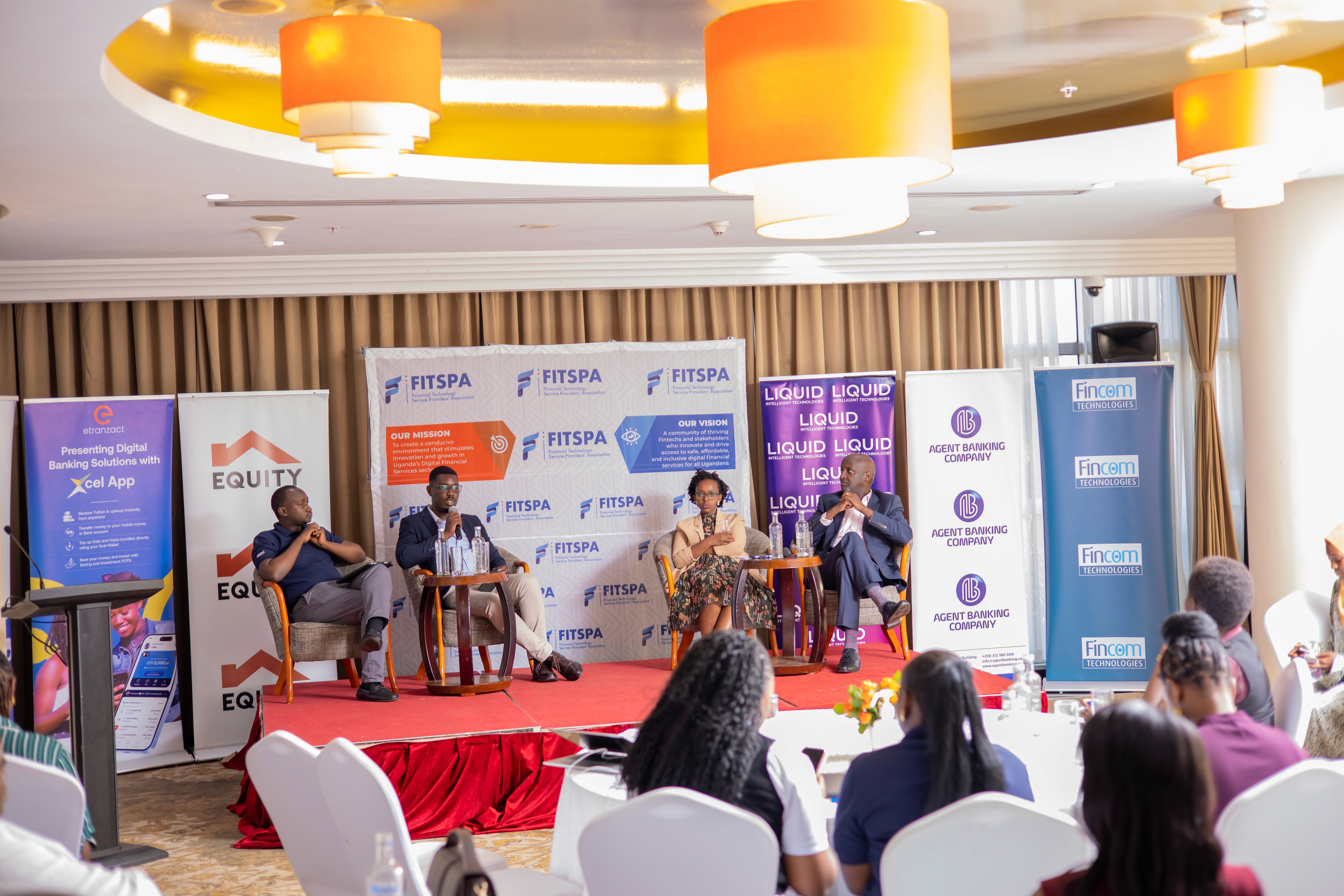
The second panel discussion shifted the conversation from infrastructure to implementation, exploring what it takes to make interoperability work in practice.
Moderated by Michael Gashumba, Director, Advisory at BDO East Africa, the discussion featured Evode Rusagara, Managing Director of eTranzact Platform Uganda, Charity Atukwasa Mutagamba, Chief Executive Officer of Fincom Technologies, and Joseph Ssekono, Chief Technology Officer of MCash Uganda.
Drawing on eTranzact's experience across several African markets, Evode Rusagara emphasized that successful payment ecosystems are built through partnerships rather than ownership of infrastructure.
He noted that the real opportunity lies not in owning the payment rails, but in creating value through them. He encouraged fintechs to embrace shared infrastructure and strategic partnerships as the most sustainable path to growth while emphasizing that consumer trust must be strengthened through effective complaint handling and redress mechanisms.
Reflecting on the success of Fincom Technologies' SchoolPay platform, Charity Atukwasa Mutagamba explained that the solution succeeded because it addressed genuine market challenges rather than simply introducing another technology platform.
She recalled that Fincom first had to demonstrate that the solution worked and secure the confidence of banks before it could achieve widespread adoption.
She further emphasized that interoperability extends beyond technical integration. Successful partnerships require governance frameworks, secure APIs, robust data protection controls, effective customer onboarding processes, and alignment among participating institutions.
Joseph Ssekono highlighted MCash Uganda's experience delivering digital payment solutions to farmers and other underserved communities.
He emphasized that products designed for last-mile users must reflect the realities of those communities, including limited smartphone penetration and connectivity. Technologies such as USSD and SIM-based services therefore remain critical in extending financial inclusion.
He also highlighted reconciliation, security, preparation, market research, and ethical technology deployment as essential ingredients in building trusted payment infrastructure.
Throughout the discussion, panelists agreed that interoperability is not solely a technology challenge. It also requires collaboration, common standards, aligned incentives, effective governance, and trust among ecosystem participants.
Recognising Excellence in Uganda's Fintech Industry

The event also featured the inaugural FITSPA Industry Awards 2026, recognising organisations whose innovation and leadership are advancing Uganda's digital finance ecosystem.
MTN MoMo Uganda received the Fintech of the Year Award, Agent Banking Company was recognised with the Infrastructure & Interoperability Excellence Award, Pegasus Technologies received the Digital Fraud Prevention Award, while Wendi Mobile Wallet was honoured with the Financial Inclusion Impact Award.
The awards celebrated outstanding contributions to innovation, interoperability, financial inclusion, cybersecurity, and the continued growth of Uganda's fintech sector.
Networking Cocktail Reception

The event concluded with a networking cocktail reception, providing an opportunity for regulators, financial institutions, fintechs, technology providers, development partners, investors, and other ecosystem stakeholders to connect, exchange ideas, strengthen partnerships, and continue conversations on advancing Uganda's digital finance ecosystem beyond the formal discussions.
Looking Ahead
As Uganda's fintech sector continues to evolve, the conversations at World Fintech Day 2026 reinforced a shared understanding that the next decade of digital finance will depend on stronger foundations rather than simply more products.
Digital infrastructure, interoperability, artificial intelligence, cybersecurity, trusted digital ecosystems, and collaborative regulation will all play a critical role in enabling innovation to scale responsibly while extending access to more individuals, businesses, and communities.
The event concluded with a networking cocktail, giving participants an opportunity to strengthen partnerships, exchange ideas, and continue conversations that will help shape the future of Uganda's digital finance ecosystem.
As stakeholders departed, one message stood out clearly: Uganda has built significant momentum in digital finance over the past decade. Sustaining that momentum will require continued investment in infrastructure, stronger collaboration across the ecosystem, and an unwavering commitment to building secure, interoperable, and trusted digital financial services for all.