Back to articles
Building Data Driven Fintechs: FITSPA Hosts Business Intelligence and Data Analytics Masterclass


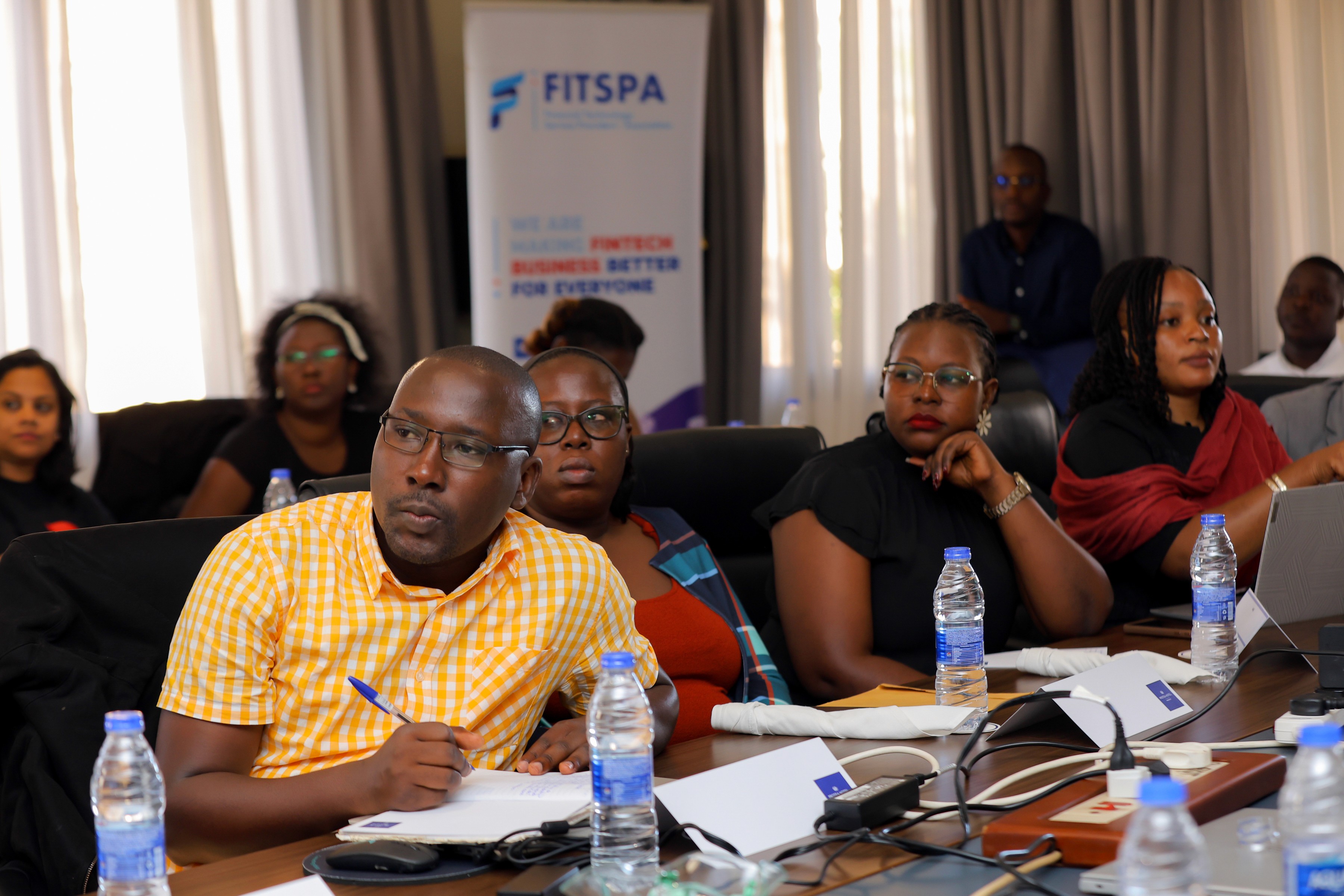
Last week, FITSPA hosted a Business Intelligence and Data Analytics Masterclass at Protea Hotel by Marriott Kampala, bringing together fintech executives and technical professionals for a practical, hands-on learning experience focused on one central goal: turning data into better decisions, stronger performance, and sustainable growth.
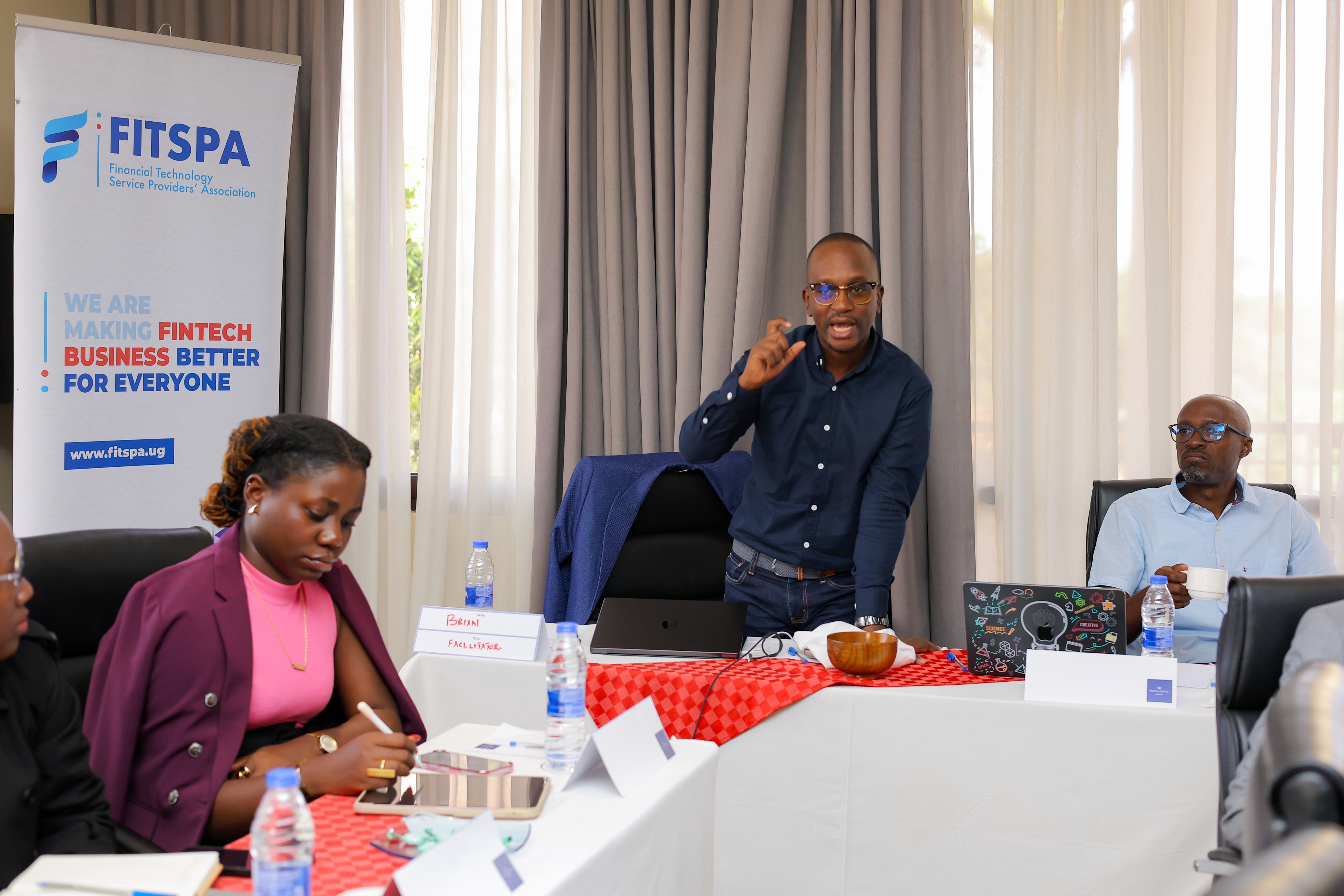
The session was facilitated by three practitioners from Uganda’s fintech and digital finance ecosystem, blending strategy, analytics, and real-world application to help participants better understand how data can be used as a true business asset rather than just an operational output.

Moving from Data Collection to Data Intelligence
The discussion began with a fundamental question that many organizations continue to struggle with: what does it really take to become data driven?
A strong emphasis was placed on the importance of clean, structured, and well governed data. Participants were reminded that every advanced analytics capability, including artificial intelligence, depends on the quality of the underlying data.
Without reliable data inputs, even the most sophisticated tools will produce weak or misleading insights.
The masterclass also explored how artificial intelligence is no longer a future concept but a present reality shaping how financial institutions operate, compete, and make decisions. However, participants were cautioned that AI is only as effective as the human judgment and data quality that support it.
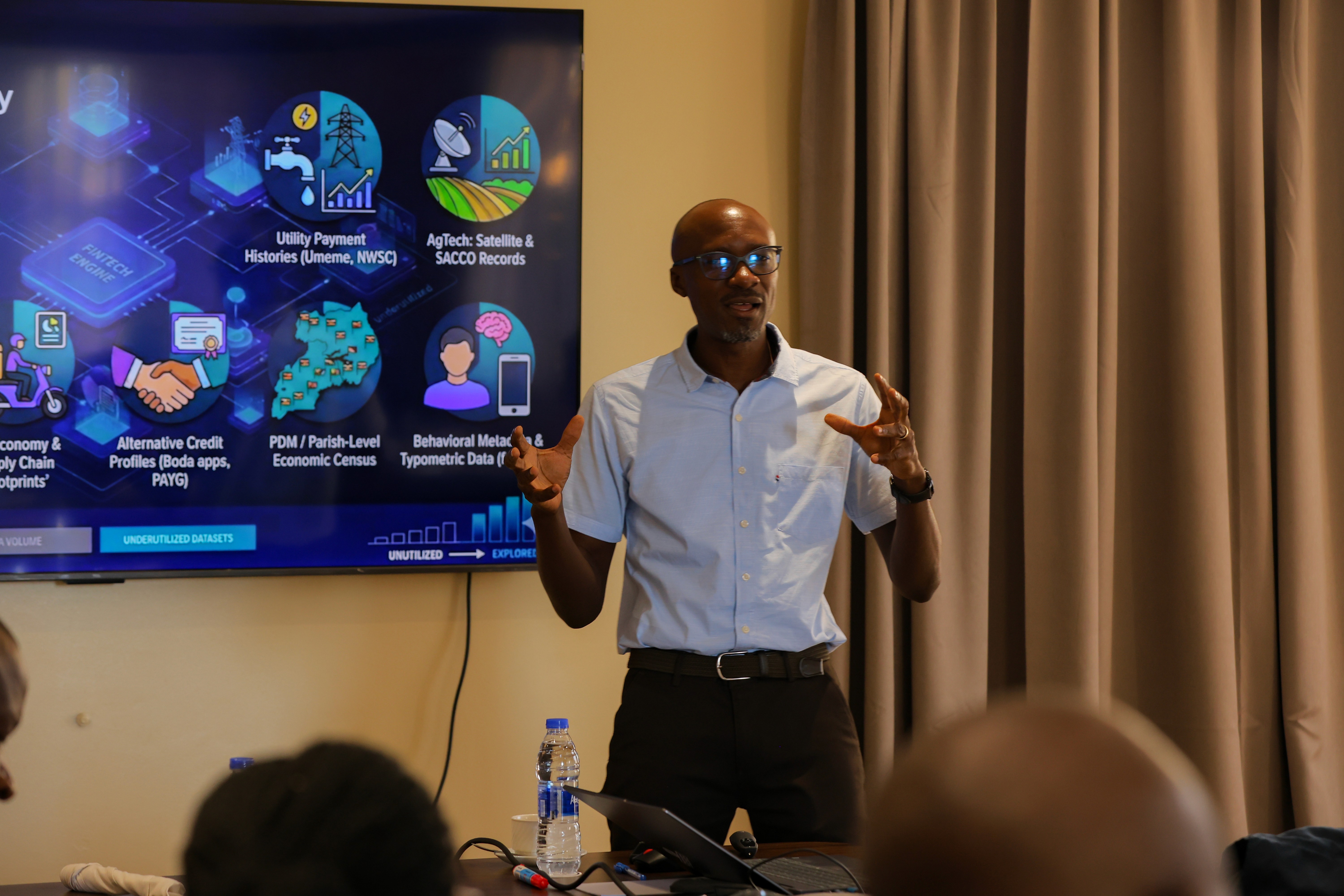
As one of the facilitators, Zerubabel Junior Kwebiiha, noted, data exists to reveal what we do not already know. Many organizations already have vast amounts of data but fail to extract value because it is not properly collected, structured, or utilized. In a competitive fintech environment, those who do not leverage AI and analytics effectively risk falling behind.
Data as a Core Business Asset
A key theme throughout the session was the need for organizations to shift their mindset and treat data as a core business asset rather than a cost center.
Participants explored how mature data organizations move beyond basic reporting into predictive and prescriptive analytics that actively shape business decisions. This shift requires more than tools. It requires leadership commitment, governance structures, and a culture that values evidence based decision making.
Another important insight was the need for a single source of truth within organizations. Without it, decision making becomes fragmented, inconsistent, and less reliable.
The session also highlighted the importance of building data literacy across teams. Tools alone do not create value. It is the ability of people across an organization to understand and apply data that transforms performance.
From Spreadsheets to AI Powered Insights
The masterclass walked participants through the evolution of the analytics toolkit, from traditional spreadsheets to modern business intelligence platforms, SQL based querying systems, and AI assisted tools.
This evolution reflects a broader transformation in the fintech sector, where speed, accuracy, and real time insights are becoming critical competitive advantages.
Participants also engaged with a practical five question framework designed to help teams approach any data problem in a structured way. This framework reinforced the idea that good analytics starts with asking the right questions, not just using the right tools.

Expert Facilitation from Industry Practitioners
The session was enriched by insights from experienced practitioners who have built and scaled data systems across Africa’s financial ecosystem.
The facilitators included Zerubabel Junior Kwebiiha, Co founder and CEO of Reclaim Global and Consultant with Financial Sector Deepening Uganda (FSD Uganda), who brought over 17 years of experience across digital financial services and energy sectors in more than nine African markets.
He was joined by Brian Paul Katimbo, Co founder of DataTrove International and former technical expert with the United Nations Capital Development Fund (UNCDF), with deep experience in fintech data systems, analytics tools, and programming languages including Python, R, and SQL.
The third facilitator, Joseph Bwete, Business Strategy Manager at ENGIE Energy Access Africa, contributed practical insights from his work in credit analytics, churn modeling, and real time dashboarding in live fintech environments.
Together, they provided a balanced perspective that connected strategy, technical execution, and real world application.
Strengthening Uganda’s Data Driven Fintech Ecosystem
The discussions reinforced a critical reality for Uganda’s fintech sector. Data driven decision making is no longer optional. It is a competitive necessity.

Fintechs that can effectively collect, structure, analyze, and act on data will be better positioned to innovate, serve customers, manage risk, and scale sustainably.
At the heart of the session was a simple but powerful reflection. Organizations must continuously ask themselves whether they are truly effective in how they use data, and efficient in how easily that data can be accessed and applied.
Through events and trainings like this masterclass, FITSPA continues to strengthen the capacity of Uganda’s fintech ecosystem by equipping industry players with practical skills and insights that support innovation and growth. This effort aligns with FITSPA’s broader mission to build a strong, collaborative ecosystem that drives innovation, expands access to inclusive financial services, and enhances the industry’s ability to deliver solutions that meet evolving customer needs.
As Uganda positions itself as a regional fintech hub, building strong data capabilities will remain central to achieving sustainable growth and global competitiveness.
The journey toward becoming truly data driven is ongoing, and this masterclass marked an important step forward for the ecosystem.